Articles
Heat or Ice: Which One Should You Use for an Injury?
Oct 28, 2026
Read more
Falls don't have to be an inevitable part of ageing. Learn simple ways to improve strength, balance and safety to help maintain independence.
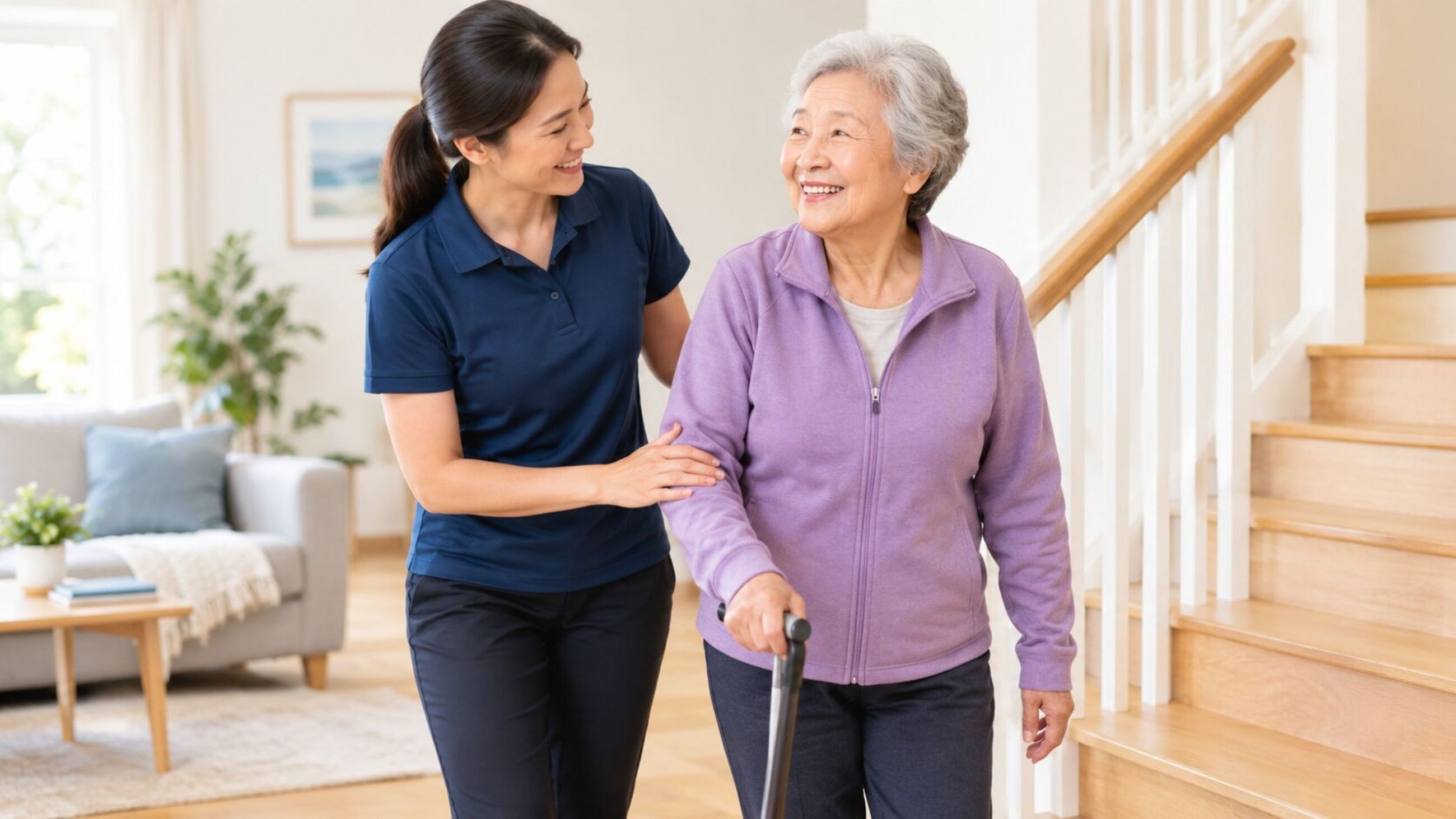
Falls are common among older adults and can affect confidence, mobility, and independence. A fall may lead to injuries, reduced activity, or a fear of falling again.
The good news is that there are practical steps older adults and their families can take to help reduce the risk of falls. Staying active, improving strength and balance, and making the home safer can all make a difference.
As we age, changes in muscle strength, balance, vision, reaction time, and medication effects can increase the risk of falling. Some older adults may also experience joint pain or difficulty walking, making everyday activities more challenging.
Falls are not an inevitable part of ageing. Identifying risks early and taking appropriate action can help older adults stay safer and maintain their independence.
Strong leg muscles and good balance help us stand up, walk, turn, and climb stairs more safely.
Exercises such as sit-to-stands, supported heel raises, and appropriate balance exercises can help improve physical function.
Tip: Start with exercises suited to your ability. If you feel unsteady or have a history of falls, ask a physiotherapist to recommend a safe program.
Many falls happen during everyday activities around the home. Small changes can help reduce hazards.
Shoes that fit well and provide good grip can help improve stability when walking.
Choose supportive, well-fitting footwear with non-slip soles. Avoid walking in loose slippers, socks on slippery floors, or shoes that are difficult to secure.
Getting up too quickly can cause dizziness or light-headedness in some people.
When getting out of bed or standing from a chair:
If dizziness happens repeatedly, speak with your healthcare professional.
Walking sticks and walkers can provide extra support when recommended for an individual's needs.
Make sure the walking aid is correctly adjusted and in good condition. A physiotherapist can assess walking and balance, recommend a suitable aid, and teach you how to use it safely.
A physiotherapist can assess an older adult's:
Based on the assessment, a physiotherapist can develop an individualised exercise program and recommend practical strategies to improve safety at home and in the community.
For older adults who have already fallen or are worried about falling, a tailored program may help rebuild strength, confidence, and independence.
Fall prevention is not just about avoiding accidents. It is about helping older adults feel confident enough to keep moving, enjoy their daily activities, and maintain their quality of life.
Small changes, combined with appropriate strength and balance exercises, can be an important step towards safer ageing.
At Physio Partners, we're here to help you improve your strength, balance, and mobility with a treatment plan tailored to your needs, so you can stay active, feel more confident, and continue enjoying the activities you love!