


Articles
Your MRI Shows a Disc Bulge. Now What?
Oct 26, 2026
Read more
Heat or ice for an injury? Learn when to use each, how they help manage pain and swelling, and what physiotherapists recommend for recovery.
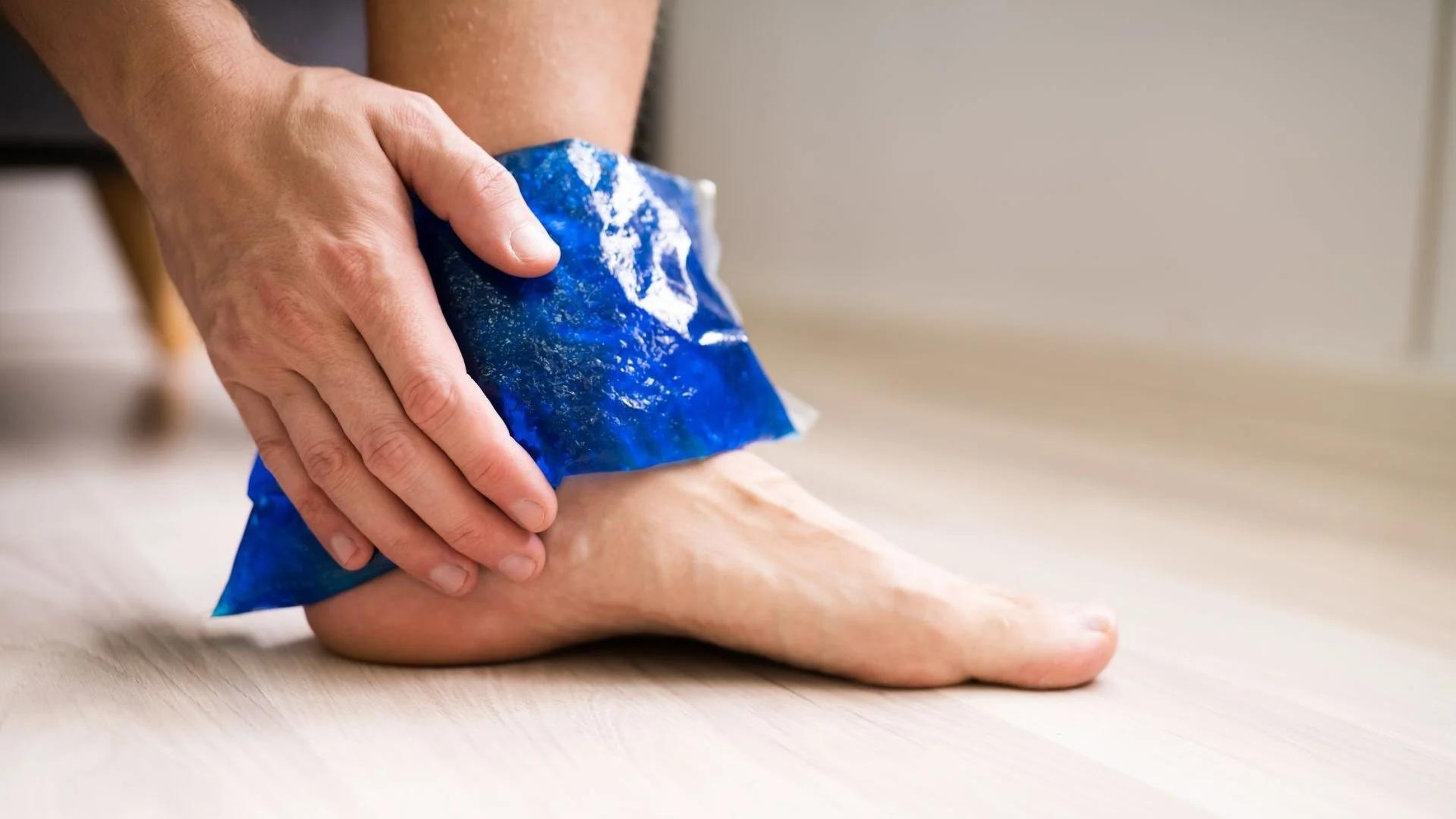
Whether it's a sore knee after exercise, a stiff neck in the morning or a swollen ankle after sport, most of us have probably reached for a heat or ice pack at some point.
The general advice has always been to use ice for injuries and heat for muscle tightness. While this isn't necessarily wrong, it's not quite as straightforward as it sounds.
Both can help relieve pain, but they work in different ways.
So, when should you actually use them?
Applying ice to an injured area temporarily reduces nerve conduction and pain sensitivity. It also causes blood vessels near the skin to constrict, which may help manage some local swelling.
This is why ice is commonly used following acute injuries, such as an ankle sprain or a direct impact to the knee.
However, one common misconception is that ice helps injuries heal faster.
Although ice can provide short-term pain relief, there is limited evidence that it significantly improves tissue healing or long-term recovery outcomes.
Inflammation is also a normal part of the body's healing response. While excessive inflammation can contribute to pain and swelling, some inflammatory activity is necessary for tissue repair.
This doesn't mean ice should be avoided altogether. If it helps manage your discomfort, it can still be useful. It's simply important to understand that reducing pain doesn't necessarily mean the injury is healing faster.
Heat works slightly differently.
Applying warmth increases local blood flow and can temporarily reduce muscle stiffness, making movement feel more comfortable.
You might notice this after taking a warm shower, particularly if you've been feeling stiff or sore throughout the day.
Heat can be helpful for:
For example, if you've been sitting at a desk all day and your neck feels stiff, applying a heat pack for 15–20 minutes before some gentle mobility exercises may help make movement more comfortable.
However, heat is generally less suitable immediately after an injury when the area is significantly swollen, red or already warm to touch.
For most people, applying heat or ice for approximately 10–20 minutes at a time is a reasonable starting point.
Always place a towel or protective layer between the pack and your skin to avoid burns or cold-related injuries.
Avoid falling asleep while using either, and regularly check your skin for irritation or changes in sensation.
If you have reduced sensation, poor circulation or a medical condition affecting temperature sensitivity, seek professional advice before using heat or ice.
Significant swelling, deformity, inability to bear weight or worsening symptoms following an injury should also be assessed by an appropriate healthcare professional.
Both heat and ice can be useful for managing pain, depending on the type of injury and your symptoms.
Ice may help relieve discomfort following an acute injury, while heat is often more comfortable for muscle stiffness and persistent aches.
However, neither should be relied upon as the main treatment for an injury.
While managing pain is important, recovery also involves gradually restoring movement, strength and your ability to tolerate everyday activities.
This is where physiotherapy can help.
Through a thorough assessment, your physiotherapist can identify factors contributing to your symptoms and develop an individualised rehabilitation program involving progressive strengthening, mobility exercises, load management and education.
At Physio Partners, our physiotherapists can help you understand your injury and guide you through a treatment plan focused on improving your movement, strength and function.
Book an appointment with our team today and take the next step towards getting back to the activities you enjoy!